Quilcom – SIM-SHENG

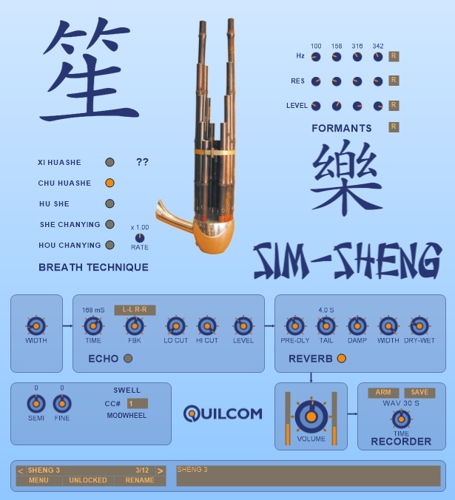
SIM-SHENG
size 24 MB / 19 MB
SIM-SHENG is a plugin designed to simulate this ancient class of Chinese mouth organs.
The pitch is enabled by a finger covering a hole at the base of the pipe (to get resonance started) but on some complex modern shengs keys are used to make for easier fingering of a wider and chromatic range.
A sheng’s polyphony is determined by the number of reed pipes present and many different numbers of pipes and tuning configurations have existed and are still produced. Also the materials used and the design have an influence on the timbres produced.


Quilcom-SIM-SHENG_(32) ( 24 MB )
Quilcom-SIM-SHENG_(64) ( 19 MB )

We’re audio producers and sound designers with over 20 years of experience in the industry. Our team has lived through the entire evolution of digital audio production.
Our mission? To filter out the junk and bring you only the studio-ready free VSTs that actually compete with paid gear. We do the digging so you can focus on creating.
Recent Posts
Cozy Piano – Lo-Fi Upright VST
Tired of sterile, overly polished grand piano libraries that hog all your headroom and sound like a corporate commercial? I…
magic.METER – Vocal Analyzer
Tired of guessing why your lead vocal just won't sit in the pocket like a Billboard smash? We have all…
MS2000R Emulator – VA Synth
I've been digging through the web and found something special for your arsenal today, fam. We have all been stuck…
CA-72 – Analog Synth VST
I've been digging through the web and found something special for your arsenal today. Let's keep it real: how many…
X-Or – Free Bass Synth
Tired of your low end feeling thin, cluttered, or fighting your kick for headroom? I found a fix that hits…
TagoClip – Soft Clipper VST
If you have ever bounced from FL Studio over to Ableton, Logic, or Reaper, you know the exact heartbreak I…